
Mom
one of the best to ever do it

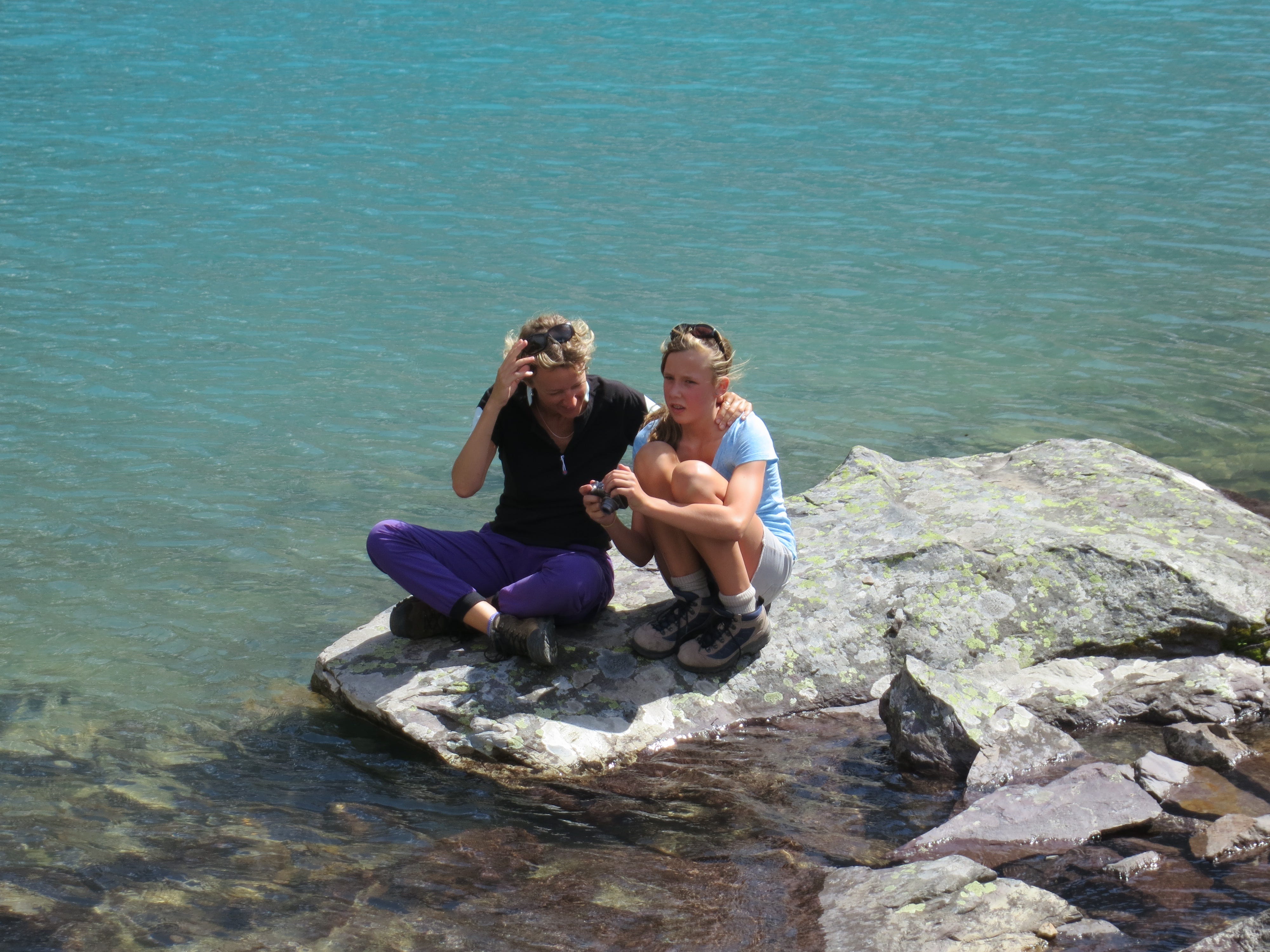
It was around dusk and there were frogs everywhere. We couldn’t see them, but the sound of their croaks was arrogant, consuming. My mom and I were staying in a small cabin that belonged to a friend of a friend. It was on the bank of a pond, surrounded by a thick wall of trees, cattails and wildflowers. We were an hour into Gin Rummy and I was crushing her. I inherited her lack of interest in competition, so this didn’t particularly matter. The air was dewy and I couldn’t stop picking at the mosquito bite on my knee. My mom kept removing my hand from the increasingly red skin, her eyes not moving from her cards.
Neil Young played beneath the frog din. Our dinner dishes sat drying in the rack. Mom was drinking a Corona, the outside of the bottle wet from the heat. We talked about a hike we might do the next day. I won another hand. We ended the night with a movie. I don’t remember what it was, but it was likely a documentary.
I was young enough to still take these trips with my mom for granted, but old enough to realize that enjoying her company for many days uninterrupted was a luxury. We lay in bed, the moonlight spotting the little house with blue. She kissed my forehead and said she loved me. I said I didn’t want the trip to end. She said I was not to worry; we’d be taking them together until she was 80, 90, 100, tickling me, making me squirm. I nodded off, naïve enough to assume this would be true.
***
The loss of my mother drips through much of the writing I’ve done this past year. Something of that gravity melts you down until you figure out some way to solidify again. A newborn, jaggedly remade. Her absence, it’s crushing ramifications and the general emptiness and confusion I feel due to it is everywhere in what I make, everywhere in how I behave, react, retreat. Necessary, unavoidable, part of me.
In this pinball machine existence of scattered grief and the ever-looming Moving Forward, I fear her aliveness has gotten a bit lost.
So, in a needed contrast, this is about her presence. Her beautiful, forceful, fucking awesome presence.
It’s about her implicit goodness.
It’s about the clarity of motherhood. And being mothered by her.
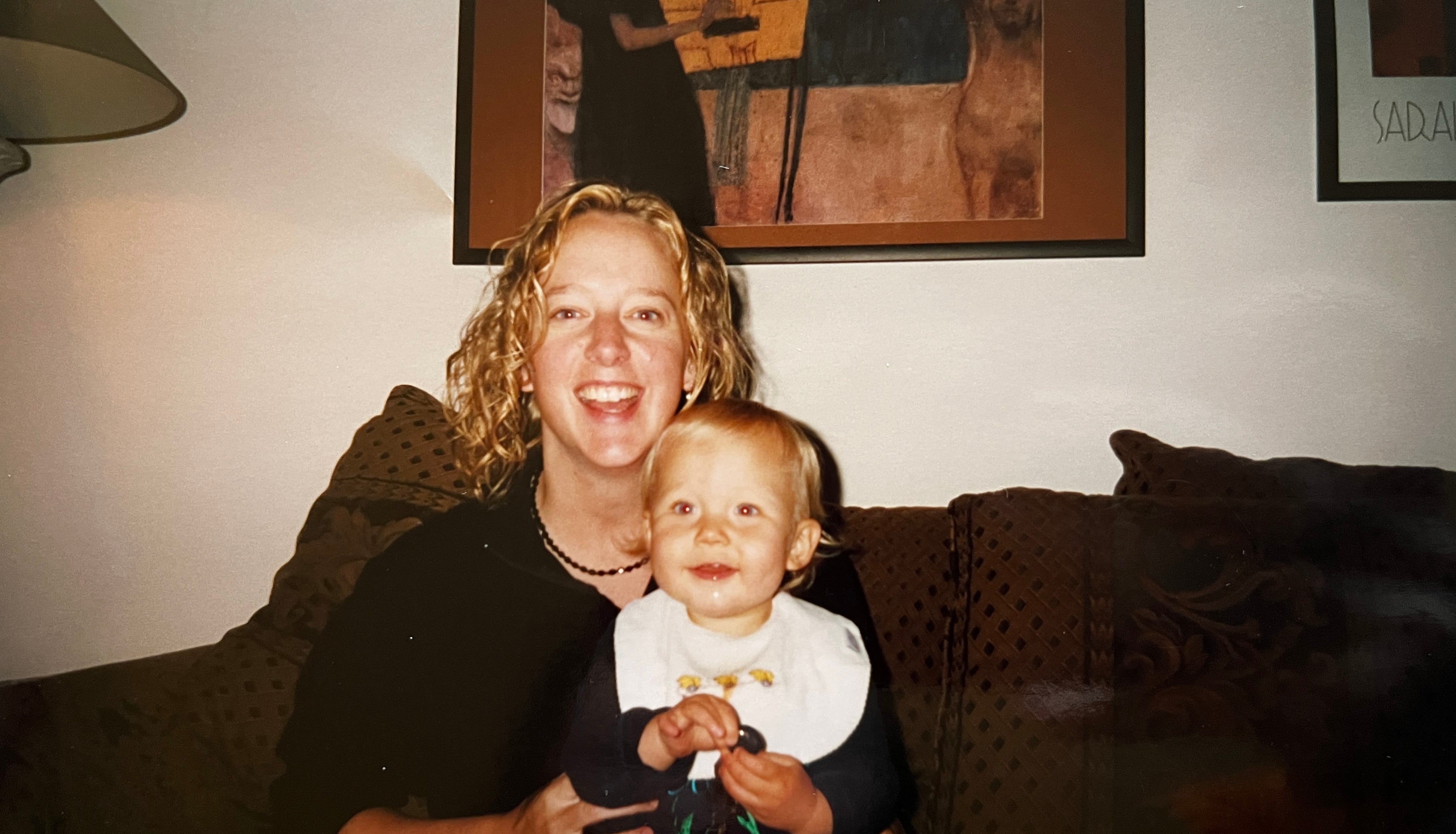
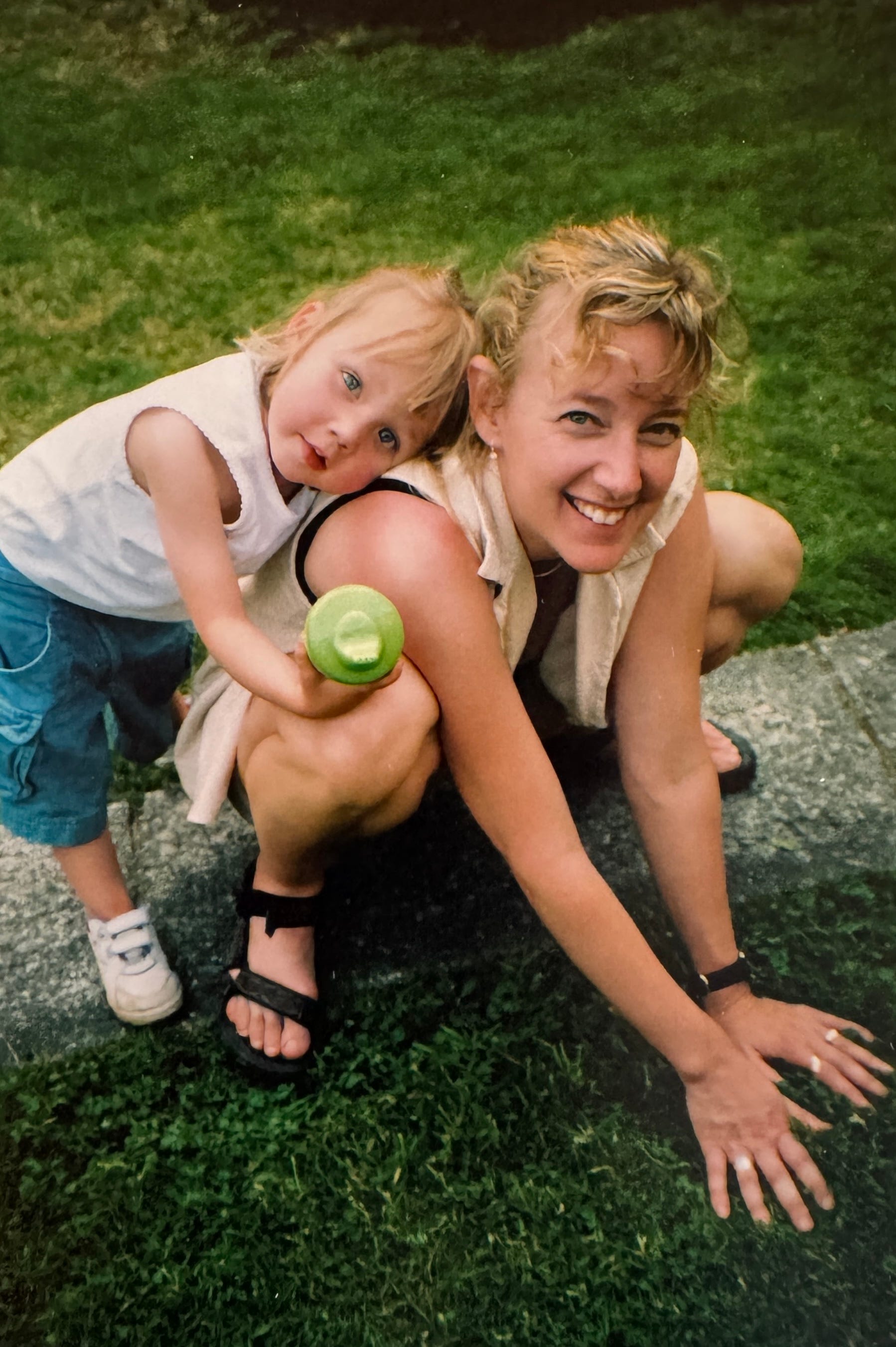
My mom was sparkly blue eyes, frenetic energy, consumer of room. She was a terrible cook, a fierce listener, disinterested in possessions. She was a producer, an activist, a Buddhist. She was a camper, a farmer, a lover of the ocean. She was a red pen enthusiast, an avoider of boredom, an experience addict.
And I think she was really, really good at being a mom.
Our relationship was ultimately very simple. We prioritized communication and the pursuit of laughter. We did not raise our voices or let resentment fester. I had a near total interest in being around her and she the same. And most beautifully, she was keenly devout to ensuring I sucked the marrow out of this short life. On my terms, how I wanted to. And now, the gratitude I have for that effort is what allows me to keep doing that.
I
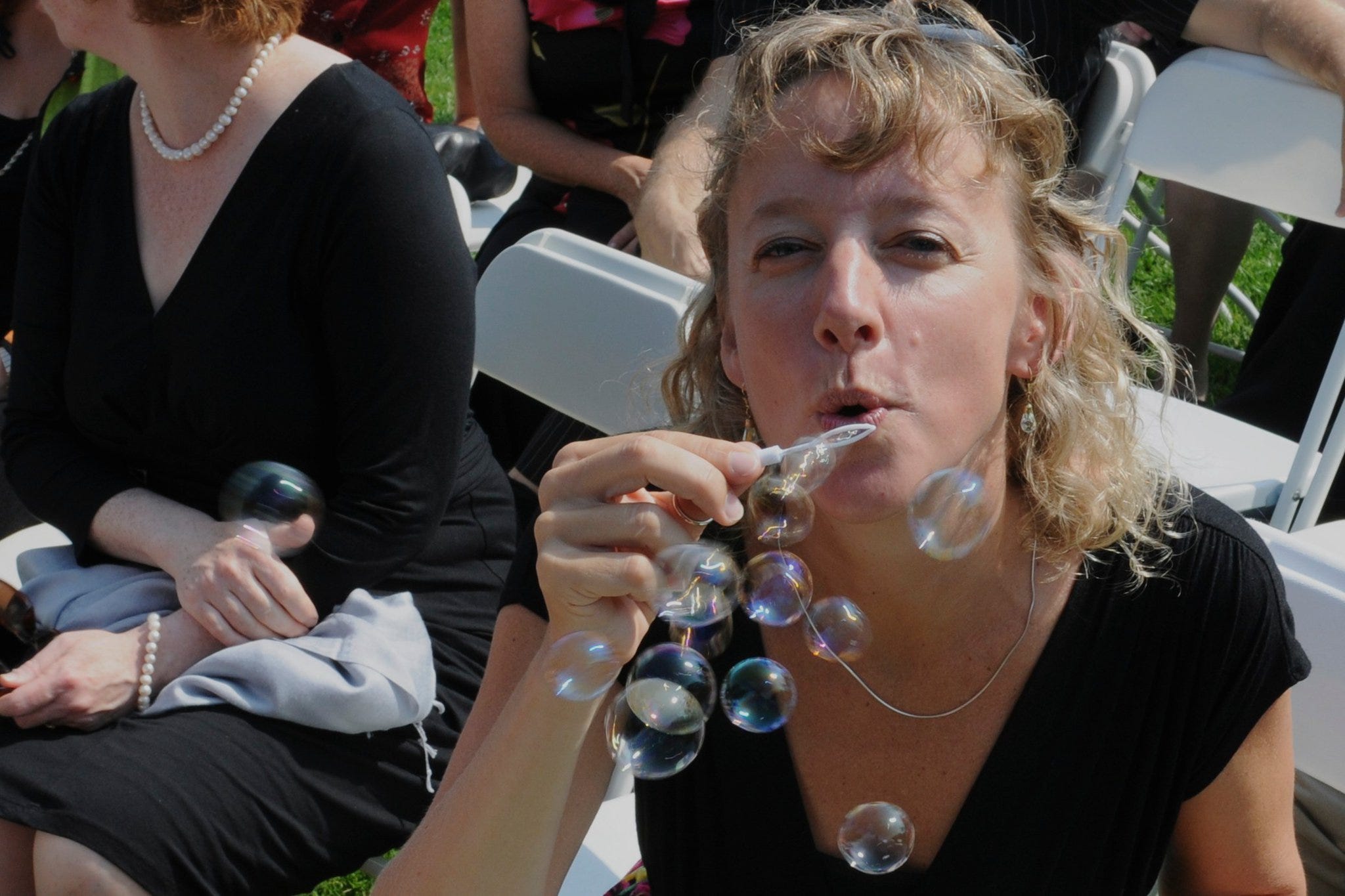
Remembering the beginning of your own existence is usually through the lens of what others tell you about it and through the physical media that beginning left behind. I have bright mirages of brief memories, I have stories and I have photographs.
More broadly speaking, I know my childhood was full and earnestly joyful. Despite their eventual messy separation, my parents loved each other wholly. They divorced when I was eleven, but that first decade is one I recall with fondness. Being their only child, I became a nucleus for them to dance around. The start of my life was BBQs in the backyard, their friends staying past midnight, drinking beer and singing in dad’s garage; it was staying up late to watch TV shows I shouldn’t; it was trips to faraway places, just mom and I in a tent or beachfront hotel room. It was mom putting me to bed each night, rubbing the bridge of my nose and singing to me softly.
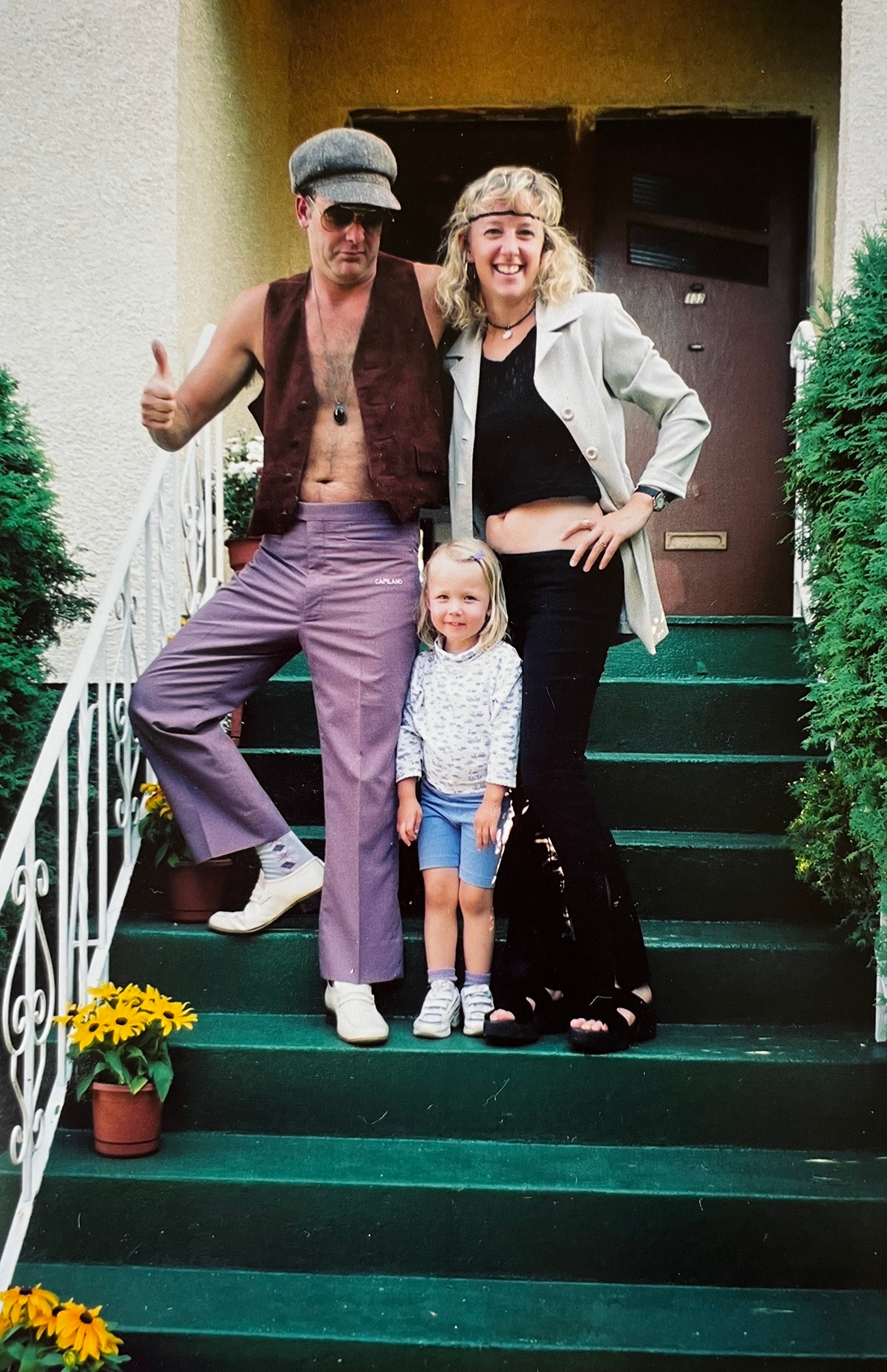
It was summers at the cabin (and my grandparent’s home), running barefoot and amuck. Mom would join me for two weeks, laptop staying miraculously closed. I remember her basking for hours in the sunlight, a novel on her belly; joining her best friend at the cabin next door for cold glasses of wine and potato chips; eating ice cream at dusk around the patio table; joining the kids in games like capture the flag; drinking coffee with grandma in the early morning, their voices hushed and giggly. I find it continually impossible to bottle up the magnitude of these simple experiences at Okanagan Lake. With the optimism of adolescence, I was unable to fathom my life not being exactly like that, forever.
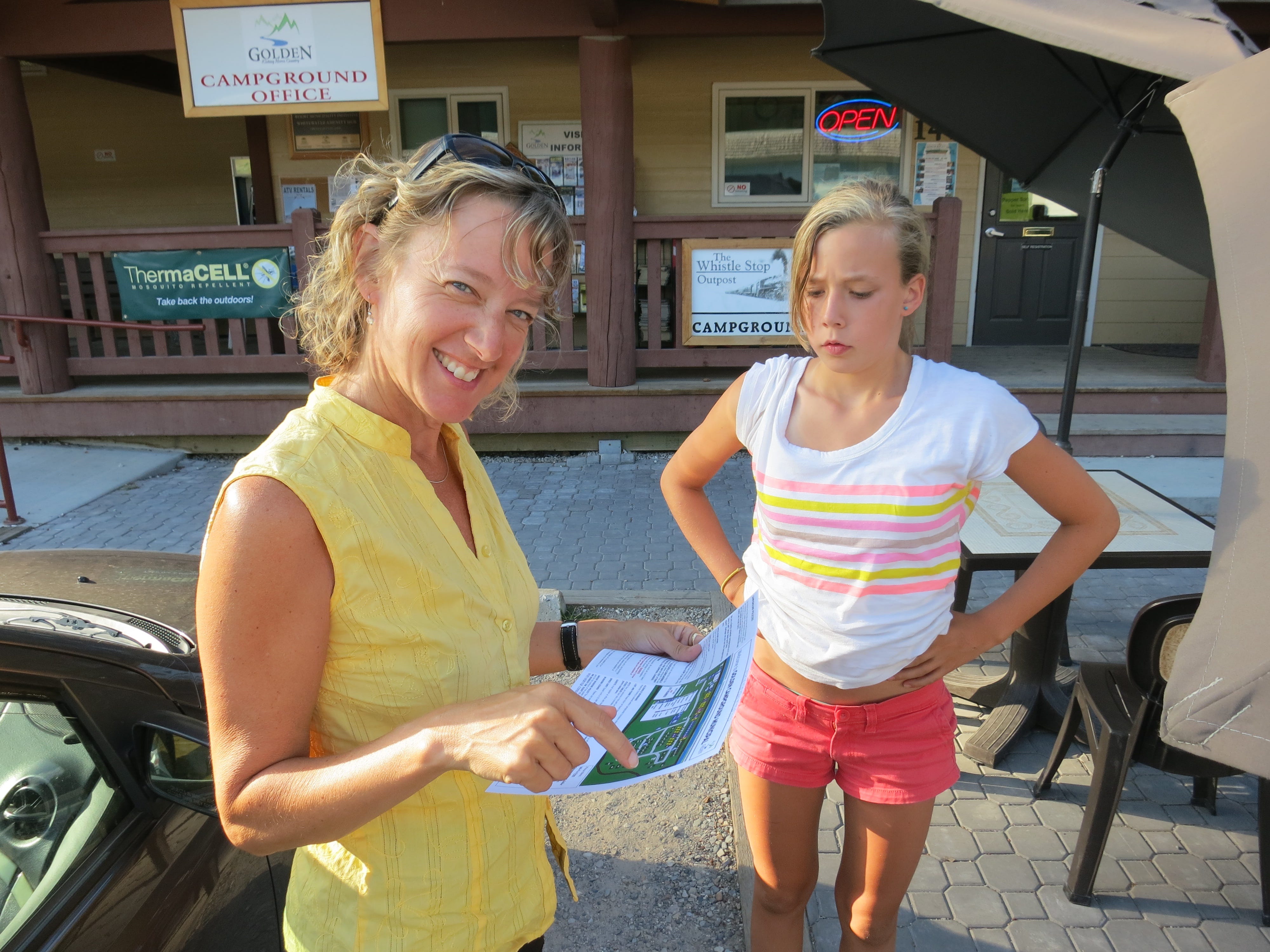
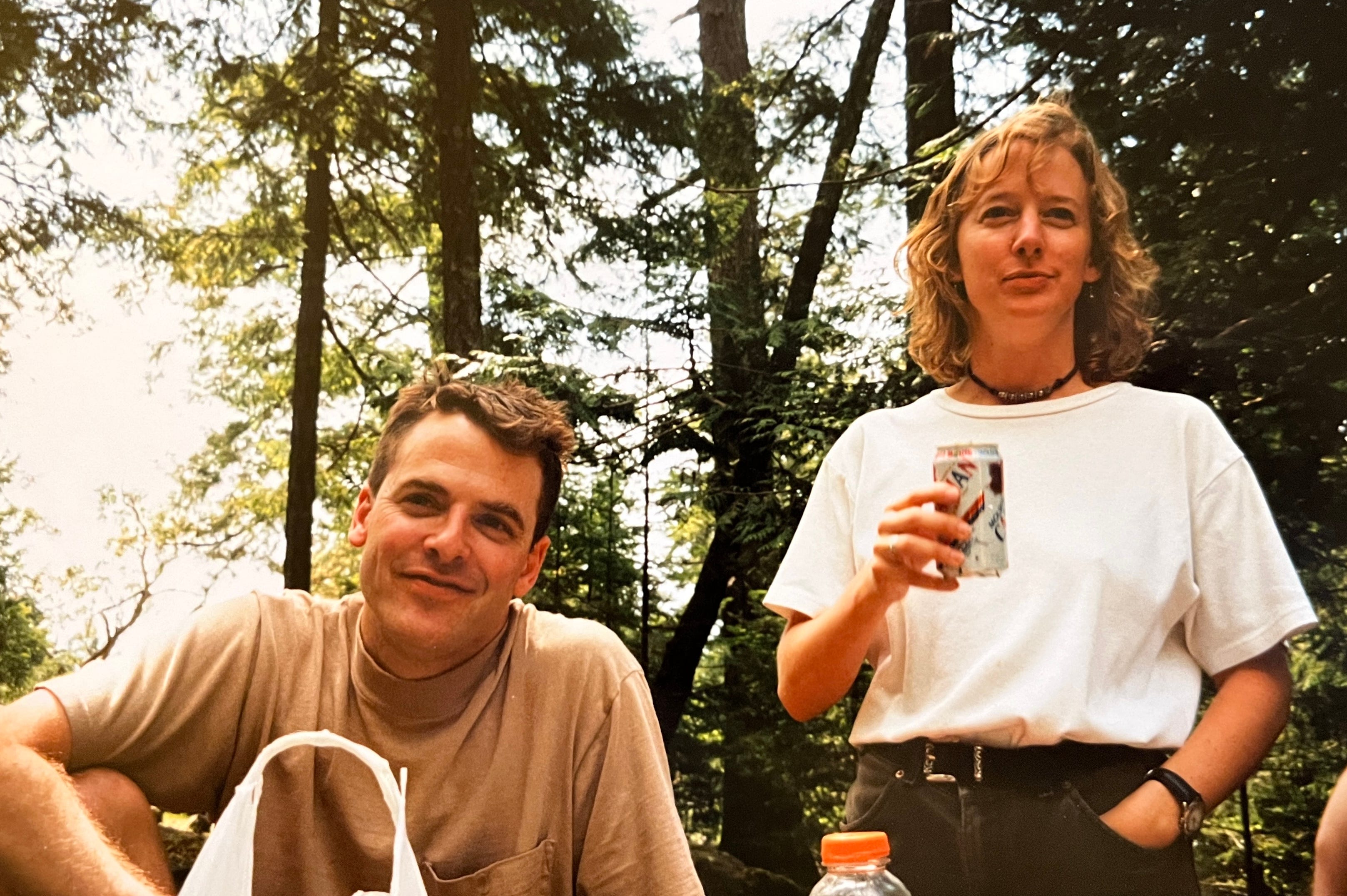
The other crucial facet of this period in my life was my mom’s career. The continued theme of her existence through reflecting on it, is how paradoxical she was. There was the version of her at the cabin, all tan lines and ease. And there was the NFB producer, all prowess and focus. From a young age, mom started bringing me to screenings, panels and retreats; not keeping the cloak of darkness over this thing she did all day but instead bringing me in, soaking me in smart, interesting adult conversations and pushing me to be a part of them. I did not, always, want to. But I did want to be around her, so I went.
When I was eight, she brought me to a weekend conference on Cortes Island called Media that Matters. I was not very aware of (or if I’m honest, totally cared) what this conference was about. But what I remember is 20 adults who treated me like I was one of them; while also ensuring I still felt like a kid. I remember shucking oysters on the beach and sitting in the hot tub and making bonfires. I remember colourful meals and a marvelous dance party. And I remember watching my mom; running around with a sharpie, like she was going to burst with frenzy over an idea; talking with her hands and her arms and her whole body. I remember leaning against her bony legs as we watched films, instinctively proud that I belonged to this person that so many people seemed to value the opinion of.
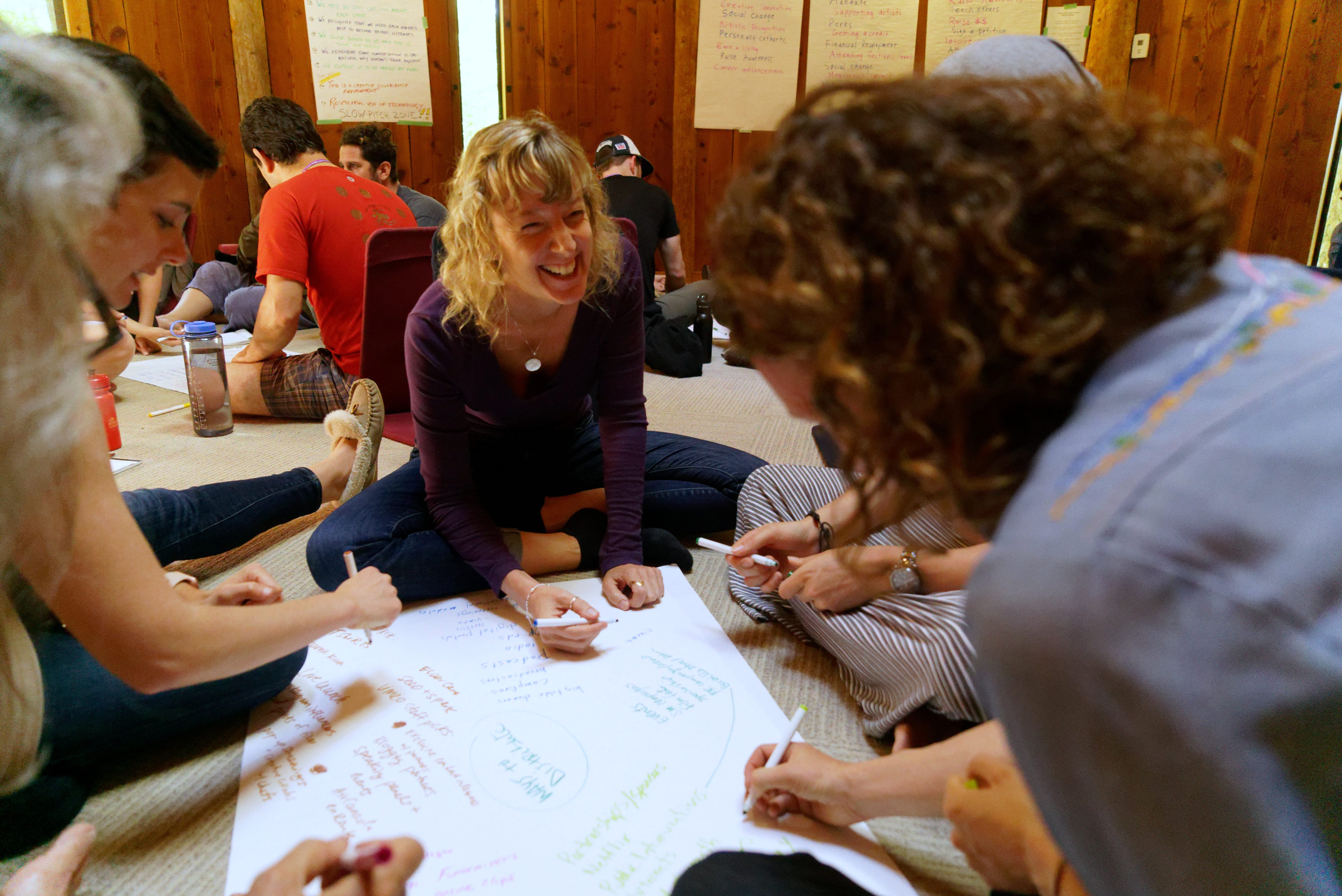
I had the awareness that my mom was important, within the bubble of Canadian documentary filmmaking at least. And as I grew older that became more apparent, and thankfully something I never begrudged because she didn’t ever let it deplete her abilities as a mother. She was not absent. She thrived in the balance.
II
Emerging from the sporadic awkwardness of childhood into the chaos of being a person in my teens was, in the grand scheme of things, rather smooth. I was lucky to have friends who I adored and who remained through till graduation. There were still the hallmarks of being a teenager: bad kissing, body dysmorphia and my first sip of alcohol (unfortunately in my case this was raspberry Smirnoff). What I did not experience was the villainization of those who raised me. After the divorce, both my parents chose to parent sans helicopter. I lived with them equally, going between homes each week. My dad remained in my childhood home. My mom was the one who left the marriage and she saw it as the obvious choice that he should stay there, especially given the fact that he renovated the entire place. He made it beautiful: red and yellow walls, black and white tiles, sturdy hardwood. My mom moved multiple times afterwards until finally landing in a place she stayed for many years: a bright condo in Yaletown with more windows than wall space. I loved it. Often, when I picture my mom now, it is there. Sitting at the table, working voraciously, reaching a preoccupied arm behind her for me to squeeze on my way to the kitchen. Coming through the front door panting after a jog on the seawall. Curled on the couch with me, my laptop perched on my knee while I clicked through photos from months passed and she through hers. Because we were together less and interacting with the world without one another more, this was how we kept each other firmly up to date. It usually took hours.
When I was 17, I was in a very intense and emotional relationship. During one of our bouts of not being together - of which there were many - my mom found me fetal in my bed. She came in and lay next to me, wrapping her body around me, bending her knees into the back of mine. She whispered: I’m sorry Monkey. We lay like that for some time until I turned on my back and told her how he was going to a party that night with all my friends and I couldn’t “bear to see him.” She suggested we go camping. Two hours later we were in her white Ford Escape, affectionately named Hank (we usually called him Hanky), the trunk loaded with a tent and food and a 6-pack of Heineken, listening to Blue Rodeo, both of us singing under our breath. We found a spot down an abandoned logging road and spent the night eating dinner out of a bag, playing cards, sipping warm beer from metal coffee cups and then falling asleep soundly, her arm across my stomach.
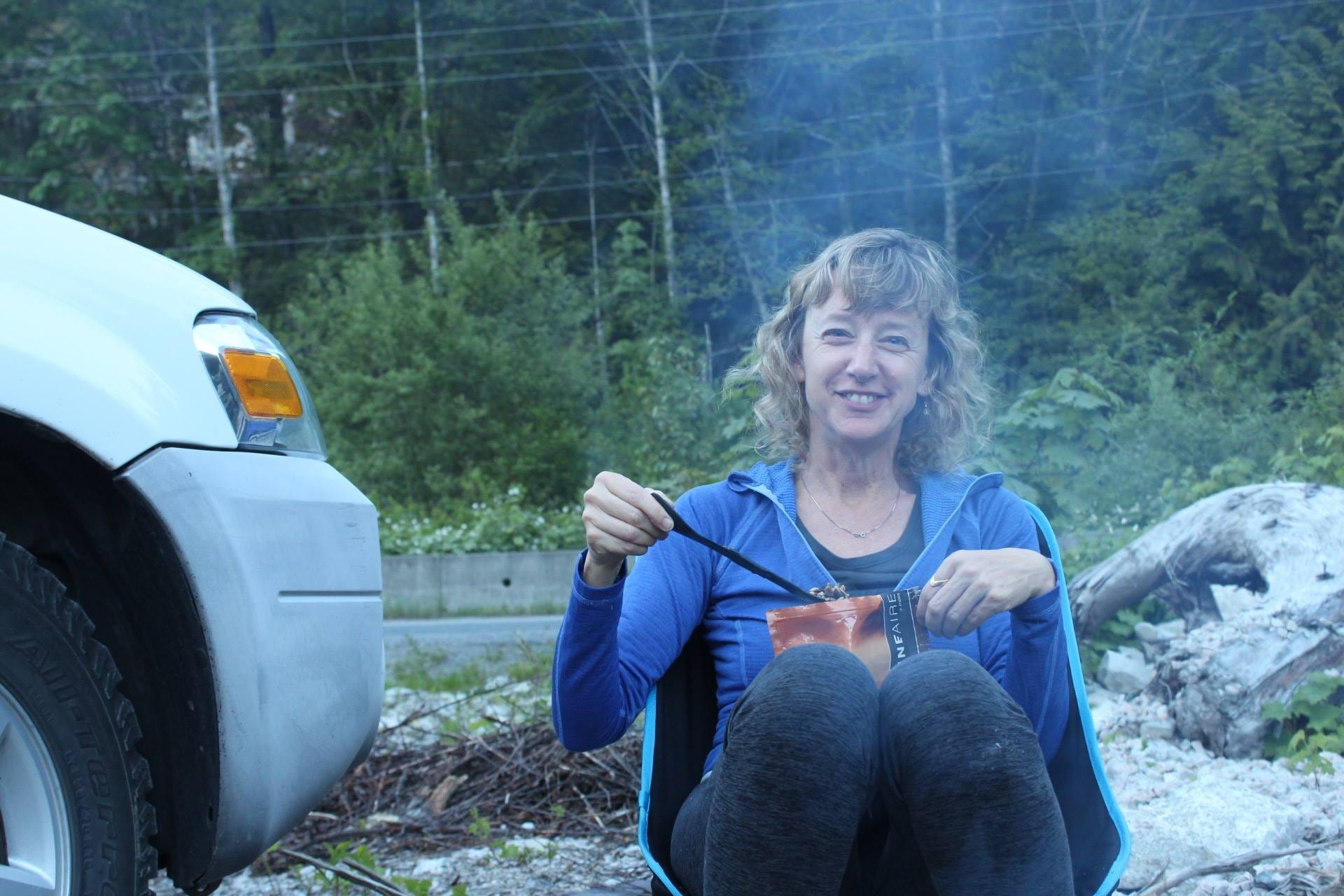
A few years later, when I was back home for the summer from school in Toronto, I was not happy. Not in any kind of dire sense, but more just a bit down. It was noticeable and lasting enough for my mom to eventually inquire. It is a pitch perfect memory, this conversation. It will always be. We were sitting in a sushi restaurant across from Kits Beach, the hot summer sun reflecting off the table and soy sauce dishes. She asked me if something had been upsetting me and I said – begrudgingly - yes. She asked if it was a boy and I said no. She asked if it was a girl and I said not exactly, finally looking up to meet her gentle gaze, her head slightly tilted. She nodded. She knew, somehow, that I’d been struggling with being gay, for reasons that are beyond me still, given my total lack of exposure to hatred. Her eyes welled up just a little and said: I’m so relieved. She told me she was relieved that I told her and relieved that I loved women; that I would not experience the harshness of men (something she was all too privy to). Relief. It was sort of the essence of her, really. I wiped my eyes, we ate our dinner and then stood, and she hugged me. We walked the beach and dipped our toes and wandered with the privilege of nowhere to be. With the privilege of relief.
III
My early twenties were defined by deepening friendships, the pandemic, the death of my father, a growing attachment to Toronto, falling in love and out of it, living alone, adopting cats and the general onset of wisdom that comes from all these things. My mom remained a crucial, grounding presence; frequent phone calls, daily texts, week-long visits in both Vancouver and Toronto. She would often say that I was becoming more of a very good friend and less like someone she had to parent; that we really were on equal plains; that she could seek advice from me and I from her.
I loved hosting her in my home. She would sleep in the living room, on the futon, because she wanted to wake up at 6:00am without disturbing me. I would amble out of my room a couple hours later to find her on her second cup of coffee, wearing a toque to flatten her bangs, one of my cats at her feet, typing an email or researching a grant. We’d make a lazy breakfast, drink more coffee. She would go to a screening or a meeting; I’d go to work. In the evening, I would show her music videos or celebrity interviews, to catch her up on the latest culture I was fixated on. Then we’d grab dinner with some of my friends, who seemed to genuinely enjoy being around her. She had such a keen enthusiasm to know them, asking them many questions and listening with firm eye contact. I would sit back and watch, sometimes a bit embarrassed but also grateful that she cared about who I spent my time with.
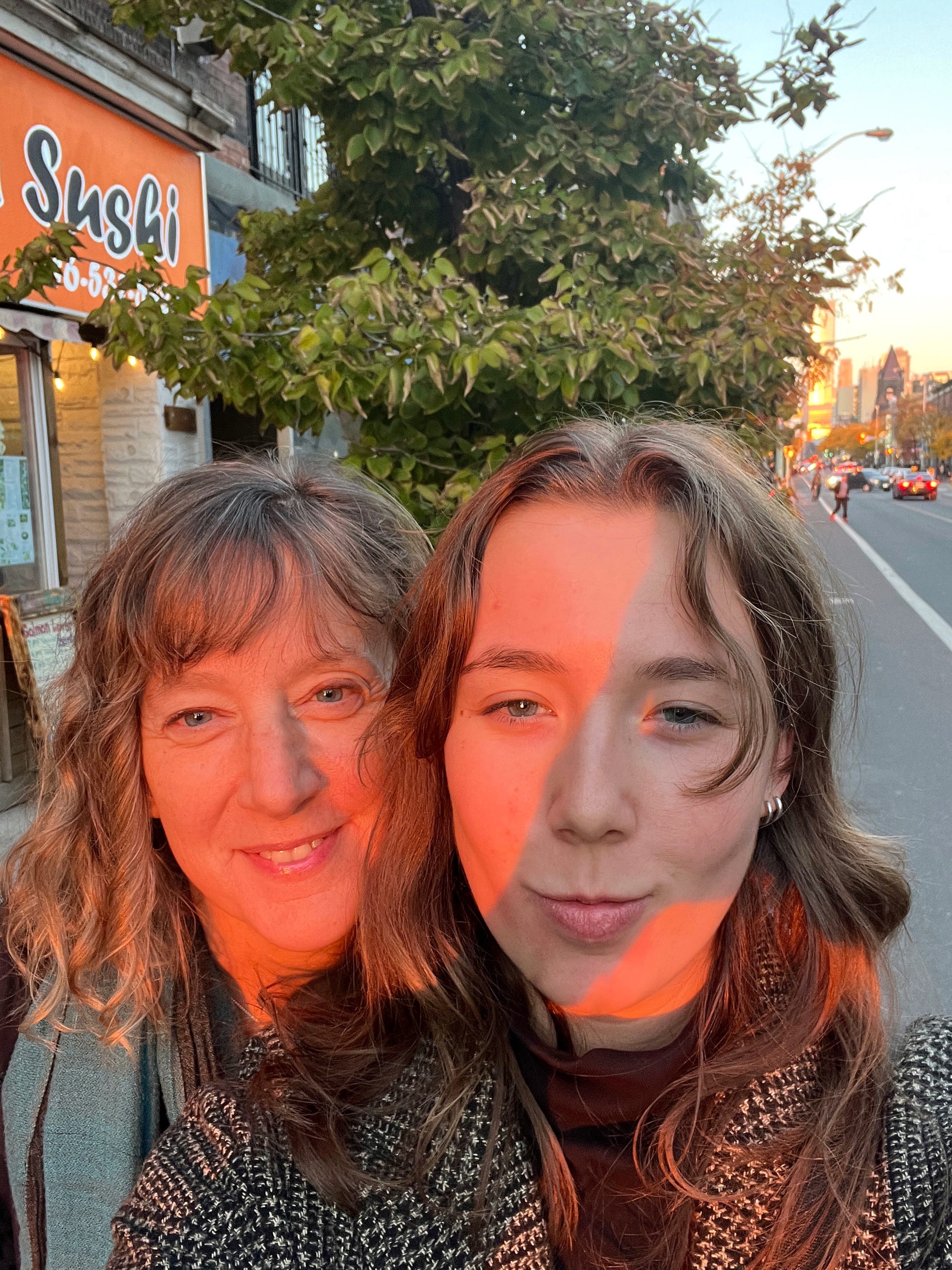
I was an adult, solidly so. Raised by an astonishing adult. Who inadvertently prepared me for what was to come next.
IV
In the summer of 2024, when I was visiting Vancouver for a week, I saw my mom for brief stints of time, instead prioritizing my friends, going out for dinners and away on an overnight trip to Bowen Island. I was in a period of transition, having just quit my job at an advertising agency to go back to school for a creative writing course. I was buoyant with both trepidation and delight over this new, unpredictable chapter I was starting. I was distracted. My mom and I still had our time together, her apartment on the water so small that it was impossible not to be near one another if we were both home. The glassy condo was swapped for something smaller, more suitable for her ever-increasing minimalism. I have foggy memories of these brief stints: her complaining about feeling winded on a run, more than usual; of her lack of hunger at dinner; of a general fatigue she was clearly displaying.
At the end of September, she FaceTimed me and asked if I was sitting down. And with a crushing, consuming, mystical clarity, I knew something was very wrong. She told me she had a tumor and that it was big. I was unable to speak or properly comprehend this. She told me she was scared but that she was hopeful. And then her voice caught and she expressed the necessity of her living, for both me and my grandma. That I couldn’t be without parents and my grandma couldn’t be without children, having lost her son in 2016. It was a dark prospect, but one I did not see, genuinely, being a reality.
But it was. She passed 3 months later, the cancer too aggressive for the doctors to keep up with it. My mom’s spirit, through all the uncertainty and calamity, did not waver. She was calm, gentle, accepting. She made it very clear that we were not to use the words battle or fight in reference to her sickness, instead referring to it as her journey. She was sure to thank every nurse and doctor she encountered, many times. She did not opt for martyrdom. She opted for heartbreaking submission. Quietly brave.
Hindsight is often sobering. I did not visit my mom as much as I wish I had. I did not know very much about her illness or the daily happenings of her decline. When I did visit her, I was sometimes cold and withdrawn, even angry. Ironically, we probably fought more than we ever had before during those visits. I was mad at her for being sick. I was mad that I was losing my mother. That she was no longer the person who tackled gigantic problems and went to interesting parties but instead obsessed over protein milks and pills. I told her I hated seeing her world shrink to her apartment by the ocean.
I know too that she received some flak for how her and I handled what was happening. Some were dumbfounded that I did not move home. Others were frustrated that I was not told when it was getting really bad until it couldn’t get any worse. But that once again was the magic of our relationship. We knew each other, at a bedrock level. She was adamant that she wanted me to keep living my life. And she was adamant that I was not to see her in a hospital bed. She was protecting me and mothering me until the literal end, her way; in a way I intrinsically understood. So, on New Years Eve, when she called me and said that she was being moved to hospice, her hollow face quivering in an attempt to not betray the despair I know she felt having to tell me this, I was not upset that she didn’t tell me to come home sooner. We were on the same, sorrowful page.
I flew home on the 5th of January. I walked into my mom’s room and when I saw her, I felt something break inside me, irreparably. I wept and wept and wept. I held her in her bed, my knees tucked into hers, the reverse of how we lay a decade earlier when my boyfriend hurt my feelings. And she said to me, like she did back then, “I’m sorry monkey.”
My mom passed the next morning, with the help of MAID. She had a list of 12 people she wanted in the room with her. Many people had to drive many hours. One had to fly overnight. And one by one, she hugged them from her bed and whispered to them thank-you’s and stories and bits that made the whole room laugh quietly. I held her hand and watched in a jilted kind of awe at how she was able to still hold a room of people, even during such devastation.
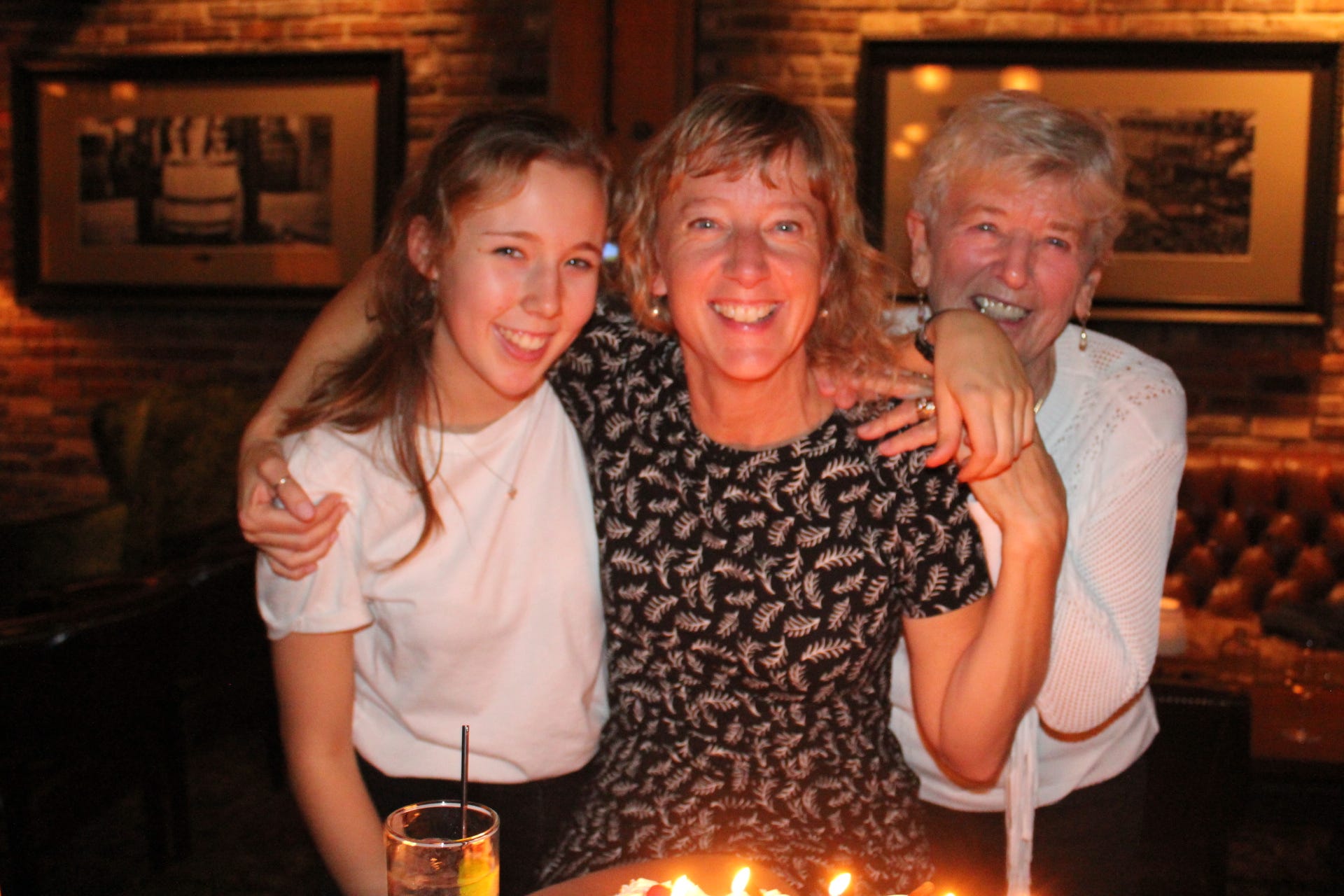
The night before, I was in the basement of the hospice home; a big open room with plush couches and a kitchen. I was down there with my mom’s three best friends, friends she’d had since elementary school. Three strong, spectacular, smart, compassionate women, with impressive, beautiful lives. We told stories about my mom, laughing and crying, ruminating in disbelief. I remember sitting at the kitchen table, eating a bowl of soup that they had procured for me after realizing I hadn’t eaten all day, and watching them practically collapse into a long hug at the kitchen sink, six arms gripping each other. It was too soon for them to be losing their fourth. It didn’t make sense. And I was struck by how bizarre it was that I was in their company, all three of them at once, while my mom was sleeping upstairs, alone. I also felt a surge of overwhelm. I would be losing my mother but I was so so so spoiled with human beings who loved her and therefore, by proxy, me. My mom’s final gift to me was community. One that she built and maintained and nurtured. Mothering me through the conduit of her people.
V
My mom was wonderful and complicated and silly and smart and loving.
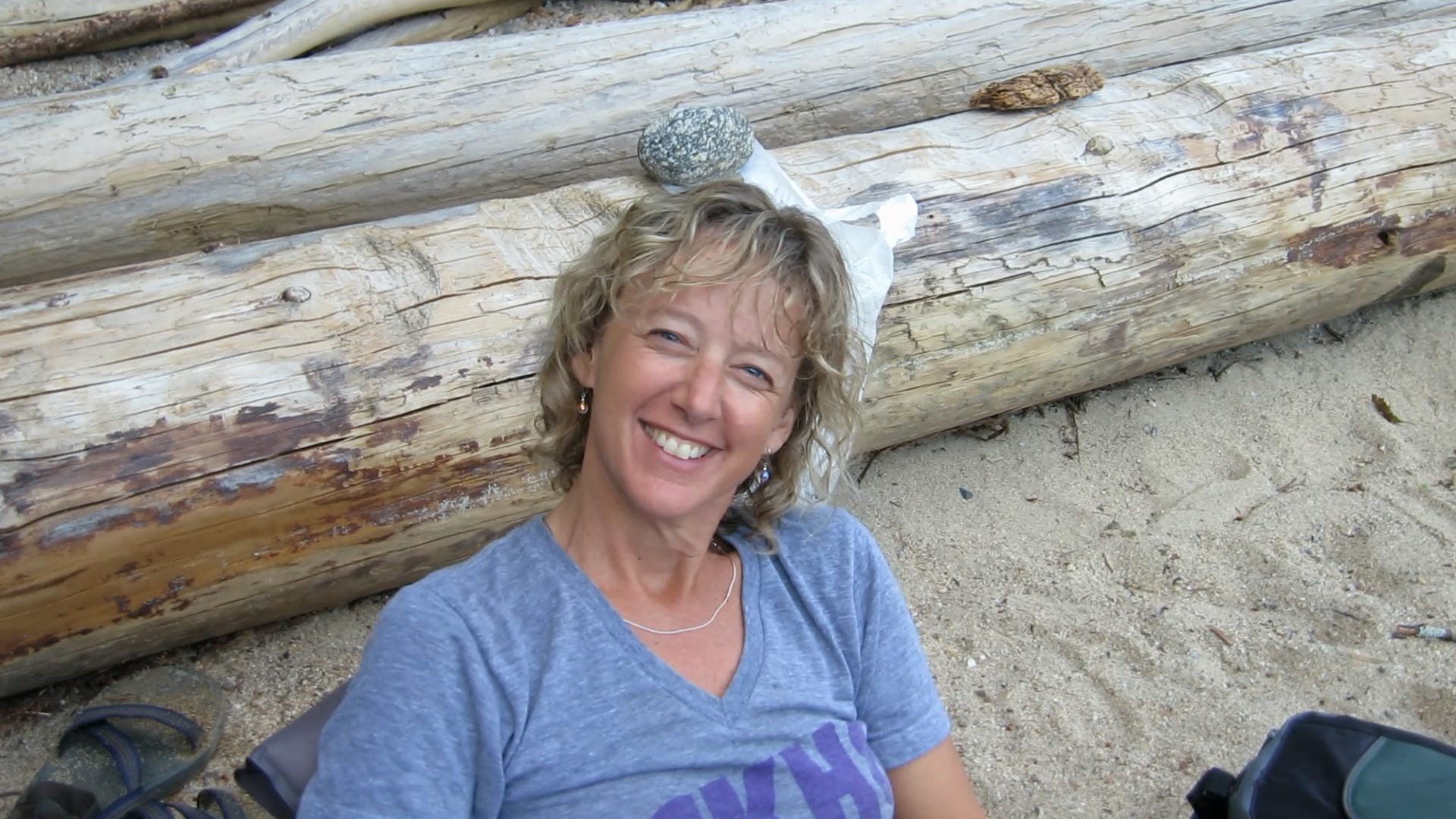
When she’d laugh, her head would tilt back, quickly and with the force of her joy.
She wore almost exclusively dangly blue earrings and silver rings with a thin chain around her neck.
She was addicted to hand cream (unscented), coffee and fuzzy socks.
She had a voracious sweet tooth and was very keen about Honeys donuts, peach pie and ice cream.
When she encountered a dog, the only thing she was capable of saying was, “hi guy!”
She ran bow-legged and ungracefully.
When someone asked her about a song or a movie, she’d turn to me and ask if she liked it.
She loved fresh oysters, tinned fish and expensive cheese.
She took her Oscar ballot very seriously.
She was incapable of leaving the house with dishes in the sink but was happy to leave them drying in the rack for a week.
She would, on occasion, do guided mushroom journeys to try to understand her own existence more clearly.
She loved napping and was more than happy to teach those she loved how to “do it properly.”
She rarely called me by my name. I was always monkey, klunky or klinky
She would joke about how badly she wished to read my journals, to know my panicky, elated, meandering thoughts. I have hers now. I can’t wait to one day read them.
VI
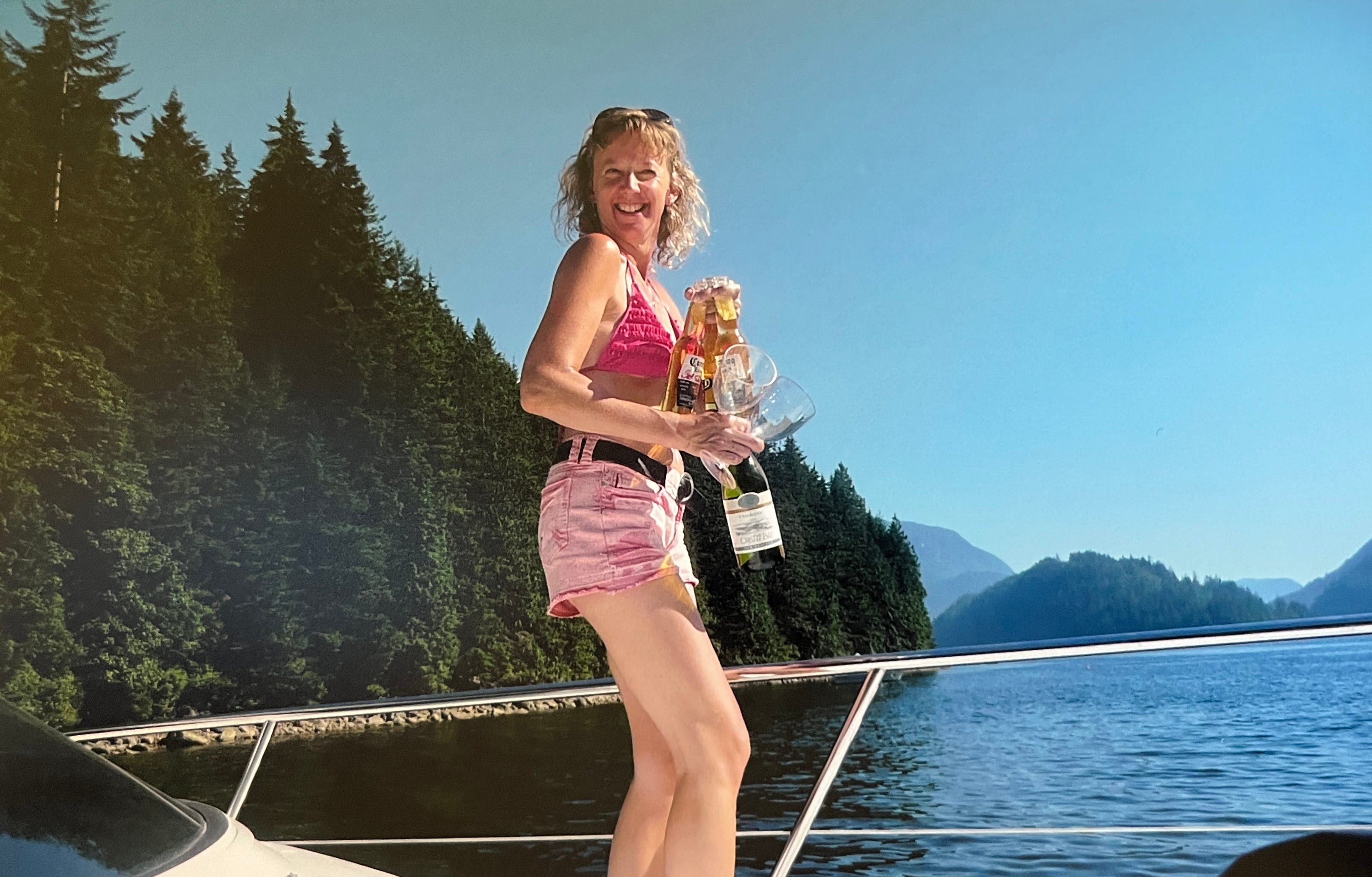
My mom was not religious. But in the latter part of her life, she started exploring the practice of Buddhism and meditation. I believe this contributed to how accepting she was of the journey she endured. I don’t think she is in heaven, physically. But if she is in some luminous new space, I think she in her car called Hank. Her kayak is strapped on top. She is listening to Natalie Merchant and driving down a coast or through the woods. Her destination involves a campsite, a hot tub, a martini and a hammock. Ideally a campfire with a musician crooning.
That is her utopia. The natural world. Music. Simple pleasures. A life worth living. And she lived it. Exquisitely. My gratitude knows no bounds that I got to live it with her.
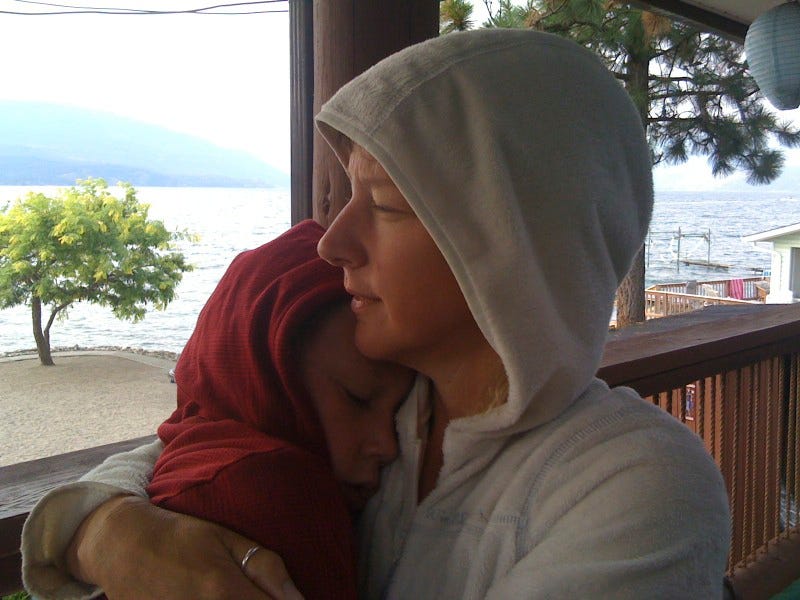
This is dedicated to my grandma, who is the only person on earth who perhaps loves my mom more than I do. Who has bore the gravity of grief with a grace hard to fathom.
Beautiful🥰
Your strength empowers me. So beautifully written Glo.